


Blackjack, also known as 21, is a popular card game played in casinos worldwide. The objective of the game is to beat the dealer by having a hand value that is closer to 21 than the dealer’s hand gamblezenuk.uk.net without exceeding 21. This report will outline the basic rules, strategies, and etiquette for playing blackjack at a casino.
Understanding the Basics
Blackjack is typically played with one to eight decks of standard playing cards. Each card has a specific value: numbered cards from 2 to 10 are worth their face value, face cards (Kings, Queens, and Jacks) are worth 10, and Aces can be worth either 1 or 11, depending on what benefits the player more. The game begins with players placing their bets in designated betting areas on the table.
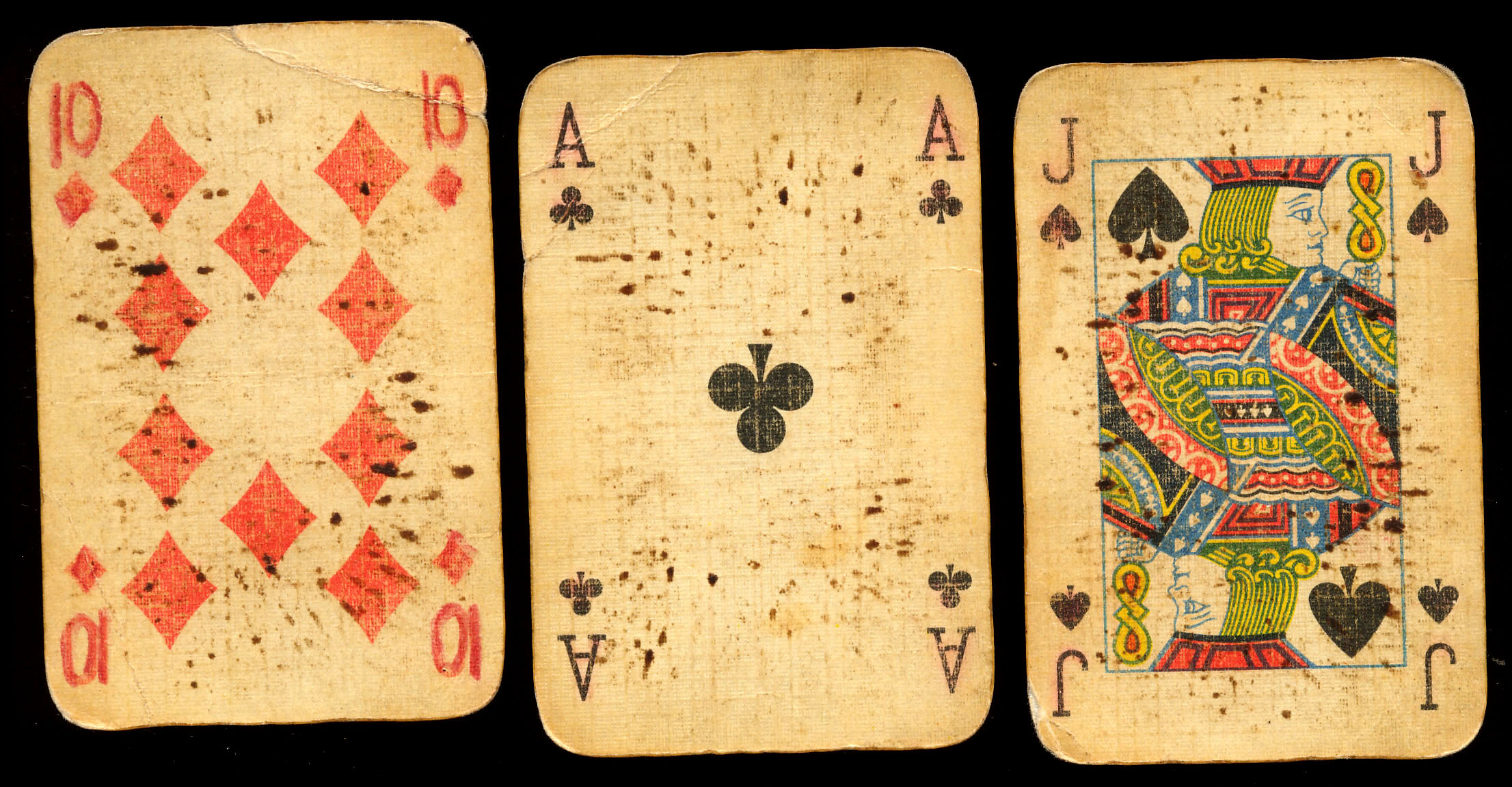
Once bets are placed, the dealer deals two cards to each player and two to themselves, with one of the dealer’s cards face up (the “upcard”) and the other face down (the “hole card”). Players then assess their hands and have several options available.
Player Options
- Hit: If a player wants to take an additional card to improve their hand, they say “hit.” Players can continue to hit as many times as they wish until they either stand or bust (exceed 21).
- Stand: If a player is satisfied with their hand, they say “stand,” and their turn ends.
- Double Down: After receiving the initial two cards, players can choose to double their original bet in exchange for receiving only one additional card. This option is often used when a player has a strong hand, such as a total of 10 or 11.
- Split: If a player’s initial two cards are of the same value, they can split them into two separate hands, placing an additional bet equal to the original bet. Each hand is then played independently.
- Surrender: Some casinos allow players to surrender, which means they forfeit half their bet and end their hand immediately. This option is usually available only after the initial deal.
Dealer’s Turn
Once all players have completed their actions, the dealer reveals their hole card. The dealer must hit until their hand totals 17 or higher (some casinos require a “soft 17,” which includes an Ace counted as 11). If the dealer busts (exceeds 21), all remaining players win. If the dealer does not bust, hands are compared, and winners are determined based on whose hand is closer to 21.
Payouts
Winning hands typically pay even money (1:1), while a winning blackjack (an Ace and a 10-value card) usually pays 3:2. If the player and dealer have equal hands, it is a “push,” and the player’s bet is returned.
Casino Etiquette
When playing blackjack at a casino, it is important to follow proper etiquette. Players should wait for their turn to act and should avoid touching their cards directly if they are playing in a casino that uses a shoe (a device that holds multiple decks). Additionally, players should be respectful to the dealer and other players, maintaining a friendly atmosphere.
In conclusion, blackjack is an engaging and strategic card game that combines luck and skill. By understanding the rules, options, and etiquette associated with the game, players can enhance their experience and increase their chances of success while enjoying the vibrant atmosphere of a casino.